
GUANGDONG XIEDA INTELLIGENT EQUIPMENT CO., LTD.
Professional manufacturer of storage space

News
News
Guangzhou shelving factory: What does the wms system mean?
Keywords:
Publish Time:
2025-07-22
WMS, or Warehouse Management System, is an information solution used to optimize and manage warehouse operations.
Through automation and intelligent technology, it achieves precise control over the entire warehousing process, helping businesses improve efficiency, reduce costs, and enhance management transparency. A detailed analysis of WMS systems is provided below:
Core Functions of a WMS System
- Inventory Management
- Real-time tracking of inventory quantity, location, batch, and expiration date; supports inventory warnings, obsolete item reminders, and First-In, First-Out (FIFO) strategies.
- Accurate inventory data collection and updates using barcode or RFID technology.
- Inbound Management
- Automatic allocation of optimal storage locations, guiding goods shelving; supports quality inspection, label printing, and supplier collaboration (e.g., supplier portal integration).
- Outbound Management
- Generates picking tasks based on orders; supports various picking modes (e.g., single-order picking, wave picking), and reduces errors through methods such as light-directed picking and barcode scanning.
- Task Scheduling and Operation Optimization
- Automatically assigns picking, shelving, and inventory tasks to employee terminals (e.g., PDAs); optimizes route planning to improve operational efficiency.
- Data Analysis and Reporting
- Generates reports on inventory, orders, and personnel performance; supports graphical display and data export to aid decision-making.
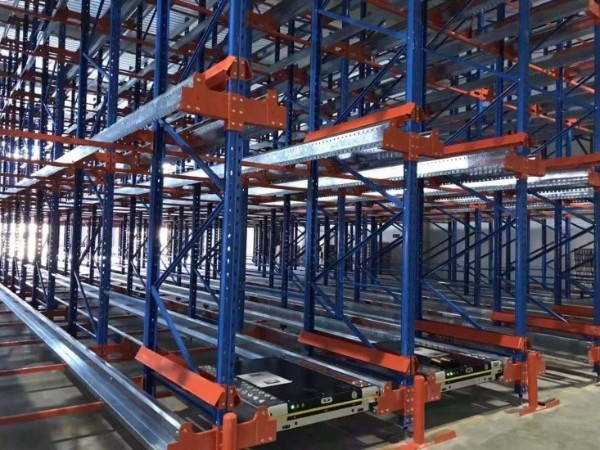
Application Value of WMS Systems
- Improved Operational Efficiency
- Reduces manual errors, increases picking, shelving, and outbound speeds, especially suitable for high-frequency operations in e-commerce and manufacturing.
- Optimized Costs and Resource Utilization
- Optimizes shelf layout through spatial planning algorithms, reducing warehouse space waste and reducing reliance on manpower.
- Enhanced Management Transparency
- Real-time synchronization of inventory data; supports multi-warehouse and multi-owner management, preventing discrepancies between accounts and actual inventory.
- Risk Control and Compliance
- Strict management of sensitive information such as drug batches and food expiration dates, meeting the compliance requirements of pharmaceutical and cold chain industries.
Technical Characteristics of WMS Systems
- Integration: Seamless integration with ERP, OMS, MES, and other systems to achieve integrated procurement, production, and sales data.
- Intelligence: Uses Internet of Things (IoT), RFID, and mobile terminals (PDAs/mobile phones) to cover the entire warehouse process.
WMS systems are the "brains" of modern warehouse management. Through digital means, they achieve process-oriented, visualized, and intelligent warehouse operations, widely used in e-commerce, manufacturing, pharmaceuticals, and cold chain industries. For Guangzhou racking factories, WMS systems can be combined with their hardware equipment (such as shelves and pallets) to form an integrated hardware and software warehousing solution, enhancing customer competitiveness.
Hot Products
Related Articles
Get a free quote
We welcome any inquiry you may have. Tell us about your project to get a free quote.
National Service Hotline
Contact Email
Foshan City, Nanhai District, Shishan Town, Guanyao Ligang Zixia Industrial Zone
Scan to view the website