
GUANGDONG XIEDA INTELLIGENT EQUIPMENT CO., LTD.
Professional manufacturer of storage space

News
News
Light shelf factory, what kind of shelves are there in supermarkets
Keywords:
Publish Time:
2025-07-22
Light-duty shelving factories produce a wide variety of supermarket shelves. Here are some common types:
1. Classification by Structure
- Single-sided shelves: Usually placed against a wall, only one side can display goods. Suitable for placement along the edges of supermarket walls, effectively utilizing space to display various goods such as food and daily necessities. For example, in some community supermarkets, single-sided shelves are placed against the wall to display canned goods and seasonings.
- Double-sided shelves: Can be placed in the middle of the supermarket. Both sides can display goods, making it convenient for customers to shop from different directions, improving space utilization and product display. Often used on both sides of aisles in large supermarkets to display various goods and food. Large supermarkets like Walmart use double-sided shelves extensively on both sides of aisles to display a wide range of products.
- Mesh-back shelves: The back has ventilation holes, good air permeability, suitable for placing goods that need ventilation, such as fruits and vegetables. Also often used to store bagged foods to prevent goods from getting damp and deteriorating.
- Back-panel shelves: The back is a solid panel, more aesthetically pleasing and tidy than mesh-back shelves. Generally used to display goods that do not require high ventilation, such as bottled drinks, canned food, and stationery, making the display of goods look more organized and uniform.
2. Classification by Use
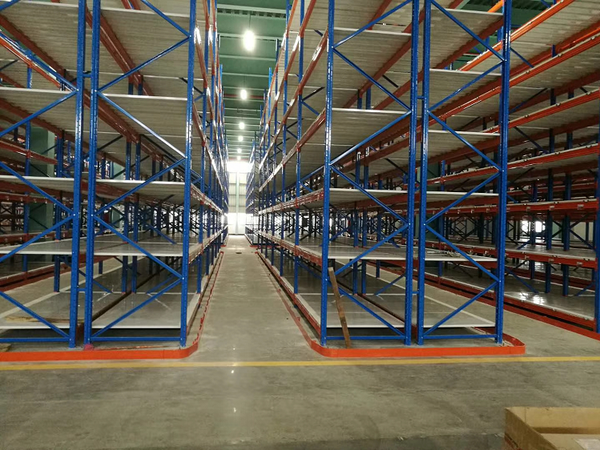
- Food shelves: Used to display various foods such as snacks, candies, biscuits, and instant noodles. Their design and dimensions are usually optimized according to the packaging form and sales characteristics of the food, making it convenient for customers to choose. For example, in the snack area of a supermarket, multi-tiered food shelves are used to display various snacks, allowing customers to intuitively see and select different types of snacks.
- Fresh food shelves: Mainly used to display fresh food such as fruits, vegetables, meat, and seafood. These shelves usually need to have good ventilation and drainage functions to maintain the freshness of fresh products. For example, in the fresh food area of a supermarket, there are sloped fruit and vegetable shelves for easy display and customer selection of fruits; there are also refrigerated meat shelves to ensure the freshness of the meat.
- Daily necessities shelves: Used to display and store daily necessities such as shampoo, shower gel, toilet paper, and cleaning supplies. The height and number of layers are designed reasonably according to the size and frequency of use of daily necessities, making it easy for customers to find the required goods. In the daily necessities area of a supermarket, multi-tiered shelves display various brands and types of daily necessities.
- Stationery shelves: Specifically used to display stationery such as pens, notebooks, folders, and glue. They are usually designed in a multi-layered grid form for easy classification and display of different types of stationery, allowing customers to easily find the stationery products they want. This type of shelf is common in supermarkets near schools or in the stationery sections of large supermarkets.
3. Classification by Material
- Metal shelves: This is the most common material for supermarket shelves. They are sturdy, durable, and have a strong load-bearing capacity, able to withstand heavier goods and are not easily deformed. Metal materials are also easy to process and customize, and can be made into various shapes and sizes of shelves according to different needs, such as stainless steel shelves and cold-rolled steel shelves. The appearance is simple and generous, suitable for supermarkets with various decoration styles.
- Wooden shelves: Usually give a warm and natural feel, creating a warm and comfortable shopping atmosphere. Often used in boutique supermarkets or specialty product areas, such as imported food areas and wine areas. The disadvantage of wooden shelves is that compared to metal shelves, they have a weaker load-bearing capacity and require regular maintenance to prevent dampness and cracking.
- Plastic shelves: Generally made of high-quality plastic materials, they are lightweight, easy to clean, and corrosion-resistant, and the cost is relatively low. Plastic shelves are often used to store lighter goods such as small foods, toys, and plastic products. They are also suitable for use in humid environments, such as storing fruits and vegetables in the fresh food area of a supermarket. However, plastic shelves have limited load-bearing capacity and are not suitable for placing overweight items.
- Combination shelves: To meet more diverse needs, there are now many combination supermarket shelves that use a combination of multiple materials to fully utilize the advantages of various materials. For example, a metal frame combined with wooden or glass shelves ensures the stability and load-bearing capacity of the shelves while increasing the aesthetics and display effect; or adding metal reinforcement parts to plastic shelves to improve their load-bearing capacity and stability.
Hot Products
Related Articles
Get a free quote
We welcome any inquiry you may have. Tell us about your project to get a free quote.
National Service Hotline
Contact Email
Foshan City, Nanhai District, Shishan Town, Guanyao Ligang Zixia Industrial Zone
Scan to view the website