
GUANGDONG XIEDA INTELLIGENT EQUIPMENT CO., LTD.
Professional manufacturer of storage space

News
News
What is the definition, process, and management of warehousing production?
Keywords:
Publish Time:
2025-07-28
The following is a detailed introduction to the definition, process, and management methods of warehousing and production:
Definition
1. Basic Concept: "Warehouse" refers to a building or area used for storing goods (such as houses, caves, etc.), with a protective function; "Storage" means storing for future use. Warehousing is the activity of storing, keeping, and managing goods and articles through a warehouse. It is a transit station connecting production, supply, and sales, and an important link in the logistics supply chain.
2. Core Role: In the modern economy, warehousing not only undertakes the traditional static storage function, but also involves dynamic logistics integration, sorting and packaging, circulation processing, and value-added services such as information processing. Its purpose is to optimize inventory structure, improve turnover efficiency, and reduce operating costs, ultimately serving the needs of upstream and downstream supply chains. For example, integrating shipments to achieve the lowest transportation rate, or using deferred processing strategies to reduce inventory levels.
Process
1. Receiving Stage
- Acceptance: Check whether the quantity, specifications, and quality of the goods meet the standards to avoid substandard products entering the inventory;
- Shelving: Place qualified goods in designated storage locations according to the code, and record inventory information through the system for subsequent retrieval and management;
- Inbound Registration: Scan the goods attributes and enter them into the management system to complete the formal storage process.
2. Storage Stage
- Area Planning: Divide different functional areas (such as raw material area, finished product area) according to the characteristics of the goods, and implement classification identification to improve access efficiency;
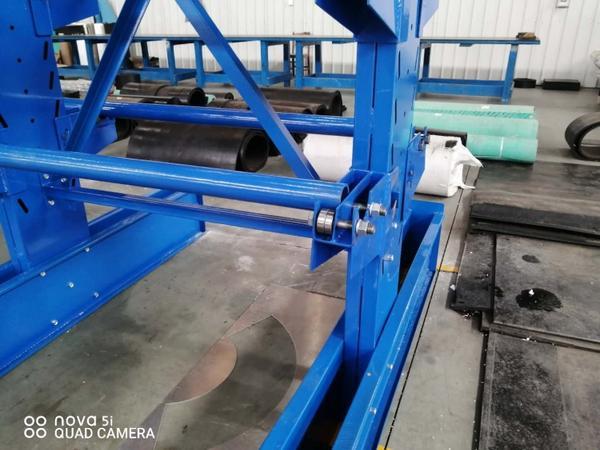
- Decision on Storage Method: Combine factors such as the size and weight of the goods to choose suitable shelves or stacking methods to ensure safety and maximize space utilization.
3. Picking and Packaging
- Picking: Accurately retrieve goods according to order requirements. Real-time ordering systems or batch processing modes can be used. New technologies such as light classification systems can improve the processing accuracy of small batch orders;
- Packaging: Choose suitable materials for protective packaging, add batch numbers and labels for traceability management, and optimize weight for transportation.
4. Scheduling and Transportation
- Scheduling Plan: Arrange the packing order based on the delivery time to balance and avoid congestion due to being too early or delays affecting timeliness;
- Transportation and Delivery: Ensure that goods arrive safely at the customer's hands through route optimization and outsourcing services, and track real-time location using computer systems.
5. Matching/Disassembly and Value-Added Services
- Matching: Combine multiple goods into a single set to reduce repetitive work, suitable for batch shipments;
- Disassembly: Reversely decompose kits for dispersed order fulfillment;
- Value-added processing: Includes additional operations such as labeling and assembly to enhance product value.
6. Inventory Tracking and Return Management
- Dynamic Monitoring: Real-time update of inbound and outbound data, analyze turnover speed to guide procurement decisions;
- Return Handling: Establish a special area to receive returned goods, distinguish between resalable and scrapped parts, and record relevant costs for continuous improvement.
Management Methods
1. Inventory Control Strategies
- ABC Classification Method: Manage according to value level, focusing on monitoring high-value A-class materials;
- Safety Stock Setting: Respond to demand fluctuation risks, and ensure consistency between accounts and actual inventory through regular inventory checks;
- Lean Management: Adopt JIT mode to reduce backlog, and achieve timely replenishment through supply chain collaboration.
2. Facility and Layout Optimization
- Reasonable Location Selection: Consider traffic convenience and surrounding supporting factors, comply with building codes and safety standards;
- Space Utilization: Use high-bay racking, automated three-dimensional warehouses to improve the storage rate per unit area, and channel design to ensure smooth passage of handling equipment.
3. Informationization and Intelligent Application
- WMS System: Realize visualization of inventory status, standardization of operation processes, and data-driven decision support;
- Internet of Things Technology: Automatically collect goods information through RFID tags, reducing manual intervention errors.
4. Safety Management Measures
- Environmental Control: Adjust temperature and humidity to prevent deterioration, and deploy fire-fighting equipment to prevent fire hazards;
- Operation Standards: Develop safe operation procedures and conduct regular employee training, and emergency drills to strengthen the ability to respond to emergencies.
5. Personnel Training and Performance Evaluation
- Skills Improvement: Covers warehousing knowledge, equipment operation, and information system use;
- Assessment Mechanism: Measure efficiency, accuracy, and cost savings through KPI indicators to encourage the team to continuously improve.
Warehousing and production is a core node in the logistics supply chain. Its efficient operation depends on standardized process design, scientific inventory control methods, and advanced technology applications. With the popularization of intelligent technology, future warehousing will pay more attention to data-driven decision-making and the deep integration of automated equipment.
Hot Products
Related Articles
Get a free quote
We welcome any inquiry you may have. Tell us about your project to get a free quote.
National Service Hotline
Contact Email
Foshan City, Nanhai District, Shishan Town, Guanyao Ligang Zixia Industrial Zone
Scan to view the website