
GUANGDONG XIEDA INTELLIGENT EQUIPMENT CO., LTD.
Professional manufacturer of storage space

News
News
What is the definition, scope, and development trend of the warehousing industry?
Keywords:
Publish Time:
2025-07-28
The following is a detailed explanation of the definition, scope, and development trends of the warehousing industry:
Definition
1. Traditional Perspective: The warehousing industry refers to commercial business activities that specialize in storing and keeping goods for others, involving the storage and safekeeping of materials during the process of material flow. Its core function is to achieve the safe storage and management of goods through warehouses and other facilities.
2. Modern Expansion: With the upgrading of the logistics system, modern warehousing has developed into a comprehensive service field integrating storage, sorting, packaging, distribution, information analysis, and collateral management and financing. It is not only a key node in the logistics supply chain but also plays a strategic role in optimizing inventory turnover and improving supply chain efficiency. For example, intelligent warehousing systems can integrate the Internet of Things and big data technology to achieve dynamic inventory control and automated operations.
Scope
1. Classified by Function
- General Warehousing: Meets the standardized storage needs of everyday goods, such as clothing, furniture, and other ordinary goods;
- Special Warehousing: Includes cold chain logistics (low-temperature preservation of food/medicine), hazardous goods warehousing (chemicals, flammables), etc., specialized services;
- Value-Added Service Warehousing: Provides extended services such as processing and assembly, customized packaging, and reverse logistics, enhancing customer stickiness.
2. Classified by Business Model
- Self-operated Warehousing: Enterprises build and use their own warehouses, focusing on internal supply chain management;
- Third-Party Warehousing: Independently operates and provides on-demand leasing and management services to multiple clients, becoming a mainstream trend;
- Public Warehousing and Distribution Centers: Open to the public, supporting multiple clients to share resources, reducing the cost threshold for small and medium-sized businesses.
3. Industry Chain Structure
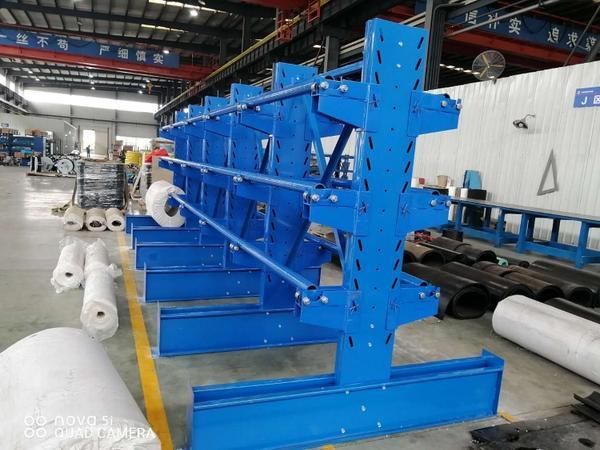
- Upstream: Equipment suppliers (such as AGV robots, shelf manufacturers) and software developers (WMS systems);
- Midstream: Warehousing real estate companies (constructing high-standard warehouses), third-party service providers (integrating logistics solutions);
- Downstream: Application ends in industries such as e-commerce, retail, and manufacturing, driving the growth of personalized demand.
Development Trends
1. Intelligent and Digital Transformation: The deep penetration of the Internet of Things, artificial intelligence, and cloud computing technologies promotes the popularization of unmanned warehouses and automated sorting systems, achieving end-to-end visual management and control.
2. Green and Low-Carbon Development: Under policy guidance, the industry is accelerating the adoption of environmentally friendly materials, energy-saving equipment, and recyclable packaging, building a full-chain carbon reduction plan from warehouse design to transportation.
3. Integrated and Collaborative Supply Chain: Enterprises achieve inventory sharing and predictive linkage through data interoperability, reducing redundant storage and shortening response cycles.
4. Diversified and Personalized Services: Market demand forces enterprises to innovate business models, such as the rise of cross-border e-commerce overseas warehouse layouts and compliant temperature-controlled warehousing in the pharmaceutical industry.
5. Regional Balance and International Expansion: While the eastern coastal areas continue to strengthen their hub status, central and western regions are increasing investment in infrastructure to balance regional differences; leading enterprises are accelerating the construction of overseas warehouses to enhance their global supply chain influence.
The warehousing industry is undergoing a transition from labor-intensive to technology-driven, its role has evolved from a simple "goods keeper" to an organizer and enabler of the supply chain ecosystem. In the future, the industry will pay more attention to the simultaneous improvement of service quality, technological iteration, and sustainable development capabilities.
Hot Products
Related Articles
Get a free quote
We welcome any inquiry you may have. Tell us about your project to get a free quote.
National Service Hotline
Contact Email
Foshan City, Nanhai District, Shishan Town, Guanyao Ligang Zixia Industrial Zone
Scan to view the website