
GUANGDONG XIEDA INTELLIGENT EQUIPMENT CO., LTD.
Professional manufacturer of storage space

News
News
What aspects of cost are involved in warehouse operations?
Keywords:
Publish Time:
2025-07-28
Warehouse operating costs involve multiple aspects. The following is a detailed classification and explanation:
1. Storage Costs
- Site rental: Determined by location, area, and warehouse type (e.g., general warehouse or cold storage). Can be optimized through shared warehousing or flexible leasing;
- Facility maintenance fees: Includes daily maintenance and cleaning of utilities;
- Investment in improving space utilization: Improving storage efficiency and reducing per-unit cost through layout optimization, efficient equipment (such as forklifts), and information systems.
2. Labor Costs
- Salary expenses: Covers basic salaries and performance bonuses for warehouse managers, logistics dispatchers, forklift drivers, and other positions;
- Training costs: Used for training in operational skills, safety management, and emergency handling to reduce losses and improve efficiency;
- Potential for automation replacement: Introducing technologies such as robots can save labor costs in the long term.
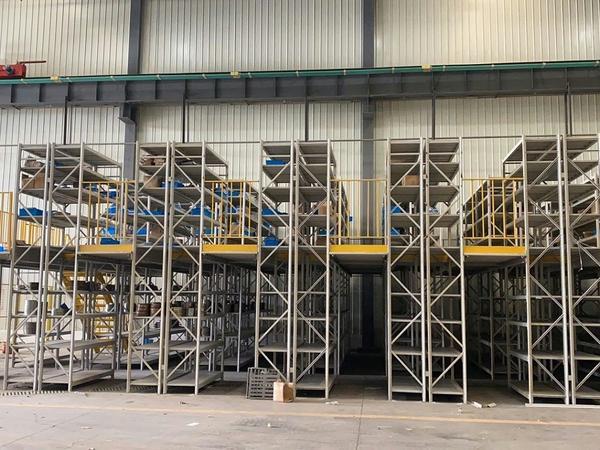
3. Equipment Costs
- Procurement and depreciation: Investment in fixed assets such as shelves, pallets, handling tools (high-lift forklifts/electric pallet jacks), and temperature control equipment;
- Maintenance and repair fees: Daily inspections, parts replacement, and emergency repair costs. Regular maintenance can extend equipment life;
- Upgrade costs: Strategic investment in updating equipment to adapt to business growth.
4. Inventory Management Costs
- System support fees: Purchase or subscription fees for WMS (Warehouse Management System), ERP software, and related hardware deployment;
- Dynamic adjustment strategies: Optimizing inventory levels through data analysis to avoid losses due to backlog or risks of shortages.
5. Loss Costs
- Goods losses: Direct economic losses due to damage, loss, expiration, etc.;
- Control measures: Strengthen monitoring, set safety stock thresholds, and implement FIFO management to reduce abnormal losses.
6. Safety and Insurance Costs
- Investment in security facilities: Deployment of hardware such as monitoring systems, anti-theft alarms, and fire protection devices;
- Security personnel expenses: Establishment of a dedicated security patrol and emergency response team;
- Insurance premiums: Property insurance covers the risks of goods and equipment, and liability insurance addresses third-party claims.
7. Information Technology Costs
- Application of digital tools: Infrastructure such as IoT devices, barcode printers, and wireless network construction;
- Data security protection: Encryption transmission and access control prevent information leakage and ensure compliance.
8. Logistics Optimization Costs
- Transportation route planning: Using big data analysis to minimize delivery routes;
- Partner management: Supervision of service quality and contract negotiation costs when selecting third-party logistics companies.
9. Environmental Compliance Costs
- Construction of environmental protection facilities: Installation of energy-saving and emission-reduction equipment and establishment of waste recycling systems;
- Energy monitoring: Real-time tracking of electricity consumption and implementation of energy-saving measures.
10. Miscellaneous Expenses
- Office supplies and consumables: Low-value consumables such as printing paper and ribbons;
- Packaging material costs: Goods protection supplies such as stretch film and labels;
- Floor marking and visual kanban: Warehouse area marking update costs.
11. Compliance Costs
- Regulatory compliance investment: Costs of compliance review and rectification for labor laws, fire safety laws, environmental protection policies, etc., to avoid fines.
12. Third-Party Service Costs (Optional)
- Outsourcing fees: Commissions for entrusting professional companies with warehousing or delivery services;
- Quality control costs: Management investment in performance evaluation and process audits of outsourcing contractors.
Companies need to combine business scale, industry characteristics, and strategic positioning to achieve cost reduction and efficiency improvement through technological empowerment and refined operations. For example, adopting a shared warehouse model to share rent, deploying intelligent systems to optimize inventory turnover, and regularly maintaining equipment to prevent unexpected downtime.
Hot Products
Related Articles
Get a free quote
We welcome any inquiry you may have. Tell us about your project to get a free quote.
National Service Hotline
Contact Email
Foshan City, Nanhai District, Shishan Town, Guanyao Ligang Zixia Industrial Zone
Scan to view the website