
GUANGDONG XIEDA INTELLIGENT EQUIPMENT CO., LTD.
Professional manufacturer of storage space

News
News
Basic principles and optimization strategies for shelf display
Keywords:
Publish Time:
2025-08-05
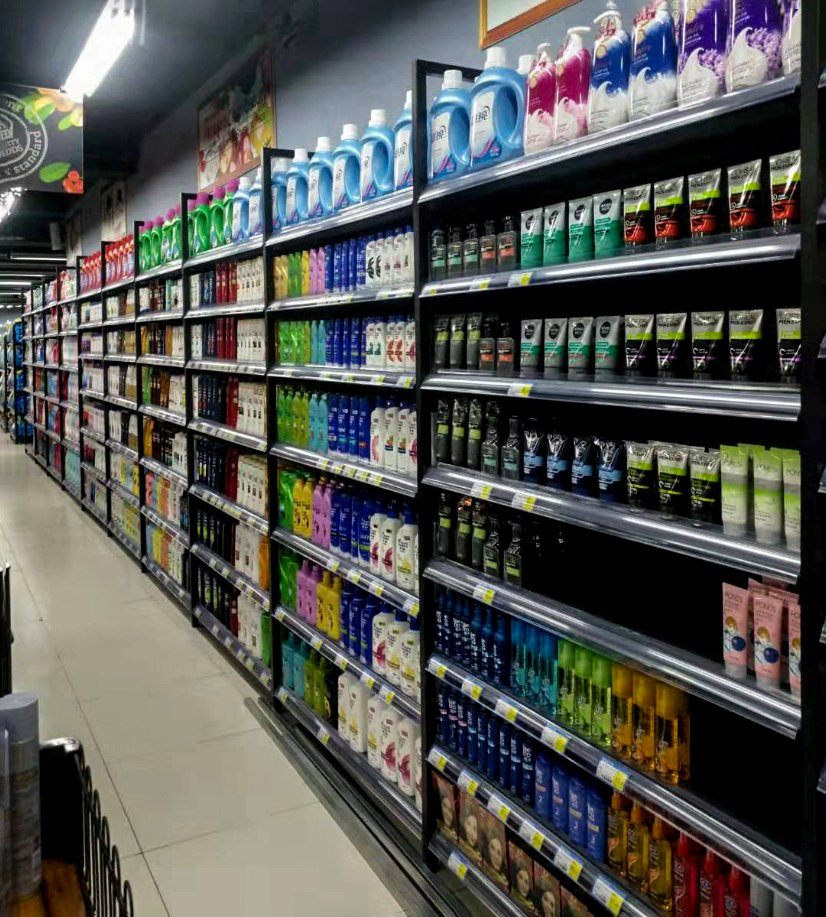
Shelf arrangement is a core element in the retail industry for improving sales efficiency and optimizing customer experience.
Its core lies in guiding consumers to focus on products and stimulating purchasing desire through scientific layout and visual design. The following is a systematic summary of basic principles and optimization strategies:
I. Basic Principles
1. Prioritize Visibility
- Golden Sightline Rule: Place high-margin/featured products at eye level (usually the middle shelf) to ensure they are visible without bending or tiptoeing.
- Example: Supermarkets often place higher-profit private label milk powder in the 1.2~1.5 meter range.
- Front-Facing Principle: All product labels must face the aisle; avoid side placement that obscures information.
- Multi-Angle Exposure: Utilize end caps and displays to increase opportunities for three-dimensional presentation.
2. Pathway Design and Association Logic
- Magnet Point Effect: Place seasonal promotions or best-selling products at key points such as entrances and corners to attract customers deeper into the store. For example, fruit and vegetable displays in the fresh produce section often serve as "traffic generators".
- Category Linkage: Follow consumer scenarios to combine related categories, such as placing barbecue sauces near the meat section and baby wipes near the baby formula shelves. Data shows that cross-merchandising can increase the sales of related products by 20%-30%.
- One-Way Circulation Path: Use a slight inward tilt of shelves to naturally guide customers forward, reducing congestion caused by backtracking.
3. Clear Categorization and Hierarchy
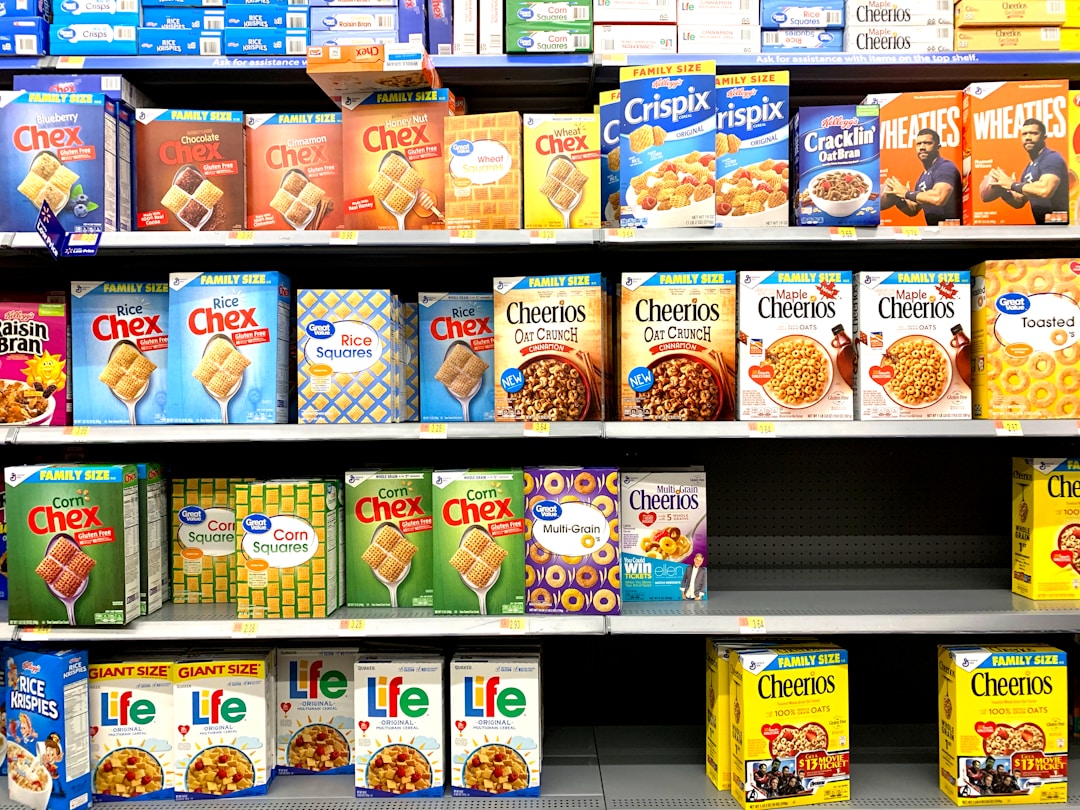
- Vertical Segmentation Method: Place only the same type of product with different specifications/price ranges in the same vertical column, such as high-end on the top shelf, main products in the middle, and economy packs on the bottom. This method quickly establishes consumer mental anchors.
- Horizontal Segmentation Technique: Use partitions or colors to distinguish different subcategories (e.g., red to indicate spicy snacks), reducing the decision-making cost associated with choice overload.
4. Inventory Transparency
- First-In, First-Out (FIFO) Principle: Place new batches of goods in the back and older goods in the front to prevent expiration and spoilage; simultaneously, use recessed designs to allow easy access to bottom-shelf items.
- Safety Stock Warning Line: Mark the minimum restocking level on the back of the shelf; when goods fall below this line, trigger an automatic restocking mechanism to avoid stockouts and loss of potential sales.
5. Sensory Engagement
- Application of Color Psychology: Warm colors (red/orange) accelerate heart rate and increase the probability of impulse purchases; cool colors (blue/green) are suitable for healthy foods to convey trust. A convenience store test showed that red-packaged beverages sold 18% more than regular versions.
- Spotlight Effect: Spotlights focus on new product areas; brightness 3 times stronger than ambient light can increase attention by 50%.
- Sampling Stations: Set up on-site processing stations in the fresh produce section to allow consumers to immediately taste the flavor of grilled steaks, resulting in a significantly higher conversion rate than static displays.
II. Advanced Optimization Strategies
✅ Data-Driven Adjustment Plan
| Metric Type | Monitoring Tools | Action Suggestions | Expected Results |
|||-||
| Single Product Contribution Rate | POS System Data Analysis | Eliminate slow-moving SKUs, expand shelf space for top 20% best-selling products | Increase space efficiency by 15%~25% |
| Dwell Time Heatmap | Wi-Fi Probes/Camera AI Analysis | Increase the density of high-value goods in hotspot areas | Increase average order value by 10%~40% |
| Eye Tracking | Eye Tracking Experiments | Reconstruct shelf height and spacing parameters | Increase advertisement attention by 30% |
✅ Dynamic Pricing Tag System
Use electronic price tags to synchronize online price changes in real time, and implement differentiated pricing based on membership levels: ordinary members see the original price of ¥99, while platinum members see an exclusive discount of ¥79, maintaining brand image while achieving precise marketing.
✅ Modular Flexible Component Library
Pre-fabricated standardized accessory packages to meet different scenario needs:
- A-frame stands for temporary promotional displays
- L-shaped shelves for displaying oddly shaped packaging
- LED light strips to create atmospheric lighting effects
Allows stores to complete holiday theme changes within half an hour.
✅ Cultural Symbol Integration Method
Customize localized elements for regional markets: Southern stores launch New Year's cake-shaped displays before the Spring Festival, while Northern stores strengthen the visual impact of hot pot base during winter, using regional emotional resonance to drive repeat purchases.
✅ Barrier-Free Shopping Channel Design
Widen the main aisle to over 1.2 meters to accommodate strollers, install low shelves at 90cm for children's self-service, and provide magnifying glasses in the senior customer area to assist with reading small print. This inclusive design can expand customer coverage.
III. Common Pitfalls to Avoid
⚠️ Overfilling Trap: Dense stacking may seem abundant but reduces accessibility. Ideally, maintain a spacing of ≥15cm between each layer for easy selection.
⚠️ Ignoring Seasonal Factors: In summer, the beverage area should prioritize refrigerators over ambient shelves; in winter, warm lighting should enhance the warmth of the hot beverage area.
⚠️ Digital Blind Spot: Relying solely on historical data may miss emerging trends. Regularly scheduling mystery shoppers to test the shopping process as ordinary consumers is crucial.
IV. Practical Case Studies
| Industry | Innovative Practices | Results |
||-||
| Cosmetics Store | AR virtual makeup mirror integrated into physical shelves | Average order value increased by 40%, dwell time increased by 2 minutes |
| Bookstore | "Blind Box Book Bags" randomly combining bestsellers and niche books | Clearance rate increased by 65%, membership increased threefold |
| Maternal and Infant Chain Store | Diapers and wipes bundled together with parenting knowledge labels | Bundled sales rate exceeded 80% |
V. Continuous Iteration Mechanism
Establish a PDCA cycle improvement system: Conduct A/B testing monthly (e.g., comparing control vs. experimental group shelf layouts), collect sales data, customer feedback, and employee operational opinions, and hold cross-departmental review meetings quarterly to adjust strategies.
A certain chain supermarket achieved an increase in its annual same-store sales growth rate from 3% to 9% using this method.
After mastering these principles and strategies, it is recommended to start with a pilot program for a single category and gradually expand, combining your own business characteristics to form a unique display language. Excellent shelves are not only carriers of goods but also important touchpoints for brand and consumer dialogue.
Hot Products
Related Articles
Get a free quote
We welcome any inquiry you may have. Tell us about your project to get a free quote.
National Service Hotline
Contact Email
Foshan City, Nanhai District, Shishan Town, Guanyao Ligang Zixia Industrial Zone
Scan to view the website