
GUANGDONG XIEDA INTELLIGENT EQUIPMENT CO., LTD.
Professional manufacturer of storage space

News
News
How to upgrade a fully intelligent automated warehouse in stages
Keywords:
Publish Time:
2025-07-21
The phased transformation and upgrading of a fully intelligent automated warehouse requires consideration of multiple aspects. The following are some common steps and methods:
I. Planning and Evaluation Phase
1. Current Status Assessment
- Conduct a comprehensive inspection and evaluation of the existing warehouse's hardware equipment (such as shelves, stacker cranes, conveyors, etc.). Determine the degree of equipment aging and performance status, such as whether the stacker crane's operating speed and positioning accuracy can still meet current and future business needs, and whether the structural strength of the shelves is sufficient to support heavier goods or higher storage density.
- Analyze the software system, including the completeness of the warehouse management system (WMS) functions, data processing capabilities, and compatibility with other systems. Check whether it can effectively manage inventory, optimize warehouse layout, and achieve efficient task scheduling.
- Evaluate the warehouse's business processes to understand whether there are bottlenecks in the current warehousing, storage, picking, and outbound processes, such as low picking efficiency or excessively long inbound waiting times.
2. Needs Analysis and Goal Setting
- Based on the company's future development plan and business growth forecast, determine the goals of the transformation and upgrading. For example, increasing storage capacity, improving goods in and out efficiency, reducing labor costs, and achieving more accurate inventory management.
- Collect the expectations and needs of different departments (such as procurement, production, sales, logistics, etc.) for the warehouse to ensure that the transformed warehouse can better serve the entire supply chain.
3. Develop a Phased Transformation Plan
- Based on the evaluation results and goals, divide the transformation and upgrading work into multiple phases. This can be done according to functional modules (such as upgrading the software system first, then transforming the hardware equipment), warehouse area division (first transforming part of the warehouse area, then gradually expanding), or business process stages (first optimizing the inbound process, then improving the outbound process), etc.
- Set clear timelines, budgets, and expected results for each phase to ensure that the transformation work proceeds in an orderly manner.
II. Software System Upgrade Phase
1. Function Expansion and Optimization
- Upgrade the warehouse management system (WMS) of the automated warehouse and add advanced functional modules. For example, introduce automated warehouse equipment monitoring functions to monitor the operating status of stacker cranes, conveyors, and other equipment in real time and provide early warnings of equipment failures; add inventory analysis functions to predict the demand trend of goods through big data analysis technology and optimize inventory levels.
- Optimize the WMS algorithm to improve the efficiency of task allocation and scheduling. For example, use a more intelligent path planning algorithm to make the stacker crane's travel path in the warehouse the shortest, reducing running time; improve picking strategies, such as automatically selecting the optimal picking method (single-person picking, multi-person sorting, etc.) based on order characteristics and goods storage location.
2. System Integration and Interface Optimization
- Strengthen the integration of WMS with other enterprise systems (such as the company's enterprise resource planning system ERP, supply chain management system SCM, etc.). Ensure that data can be transmitted in real time and accurately between various systems to achieve seamless information integration. For example, when the ERP system issues a purchase order or sales order, the WMS can obtain the information in time and arrange the corresponding inbound or outbound tasks.
- Optimize the interface between WMS and warehouse equipment control systems (such as stacker crane control systems, conveyor control systems, etc.). Improve communication stability and data transmission speed to ensure that equipment can accurately and quickly receive and execute instructions issued by WMS.
III. Hardware Equipment Transformation Phase
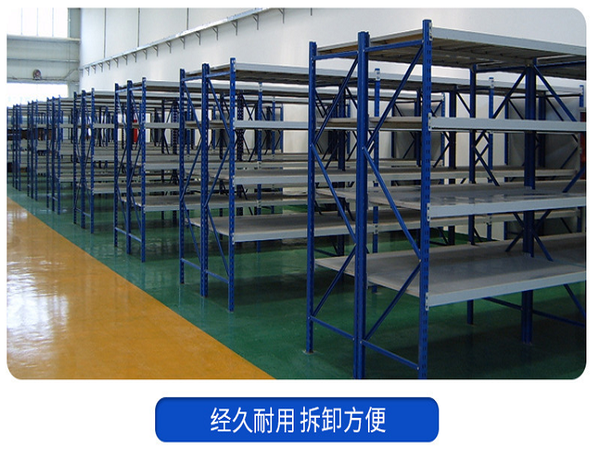
1. Rack System Transformation
- If it is necessary to increase storage capacity, consider transforming the warehouse racks. For example, for existing racks with lower heights, the number of rack layers can be increased to improve vertical space utilization; or ordinary racks can be replaced with more compact shuttle racks, automated high-bay racks, etc., to increase storage density.
- Strengthen the structure of the racks to adapt to the storage of heavier goods or higher storage density requirements. At the same time, ensure that the accuracy of the racks meets the requirements of automated equipment operation, such as the verticality and horizontality deviations of the racks being within the allowable range, to ensure that the stacker crane can accurately and error-free perform goods storage and retrieval.
2. Stacker Crane Upgrade
- Improve the performance of the stacker crane, such as increasing its operating speed, acceleration, and positioning accuracy. This can be achieved by replacing more powerful drive motors, improving the transmission system, installing high-precision positioning sensors, etc.
- Add new functions to the stacker crane, such as automatic charging function (for electric stacker cranes), allowing it to automatically replenish power during task intervals to reduce downtime; install cargo identification devices (such as RFID readers, barcode scanners, etc.) to achieve automatic identification and information collection of goods.
3. Conveyor System Improvement
- Upgrade the conveying capacity of the conveyor, including increasing the conveying speed, increasing the width or carrying capacity of the conveyor belt. For example, replace the original belt conveyor with a more efficient roller conveyor or chain conveyor to adapt to the conveying of different types and weights of goods.
- Optimize the layout of the conveyor system, reduce the detours and intersections of the conveying path, and improve the efficiency of goods flow in the warehouse. Diversified and merged conveying layouts can be adopted, and reasonable planning can be carried out according to the flow direction and flow rate of goods.
IV. Testing and Debugging Phase
1. Unit Testing
- After the completion of each transformation phase, conduct unit testing of the newly upgraded software functions or hardware equipment. For example, conduct separate testing of the newly installed stacker crane control system to check whether its motion control and safety protection functions are normal; test the inventory management module in the upgraded WMS to verify the accuracy and timeliness of inventory data updates.
2. Joint Debugging
- After completing the transformation of multiple related units, conduct joint debugging. Simulate the actual warehouse business process, allowing the software system and hardware equipment to work together to check whether their cooperation is tacit. For example, by simulating a large number of inbound and outbound tasks, observe whether the stacker crane, conveyor, and WMS can efficiently complete task allocation, cargo handling, and inventory updates.
3. Performance Optimization
- Based on issues identified during testing and debugging, optimize software and hardware performance. Adjust parameters, fix bugs, improve program logic, etc., to ensure the modified racking system runs stably and efficiently, meeting the expected performance indicators.
V. Training and Go-Live Phase
1. Personnel Training
- Train racking system operators, maintenance personnel, and administrators. Familiarize them with the operation methods of the modified equipment, new features of the software system, and changes in business processes. Training may include theoretical knowledge lectures, practical operation drills, and emergency response plans.
- Provide training manuals and operating guides for easy reference and learning during daily work. Establish a dedicated technical support team to promptly address employee questions during operation.
2. Official Go-Live
- After completing training and thorough testing and debugging, officially launch the upgraded racking system. Closely monitor the system's operation, collect actual business data, compare it with pre-upgrade data, and evaluate the upgrade's effectiveness. For example, compare indicators such as goods in/out efficiency, inventory accuracy, and equipment failure rate before and after the upgrade to verify whether the expected goals have been achieved.
Hot Products
Related Articles
Get a free quote
We welcome any inquiry you may have. Tell us about your project to get a free quote.
National Service Hotline
Contact Email
Foshan City, Nanhai District, Shishan Town, Guanyao Ligang Zixia Industrial Zone
Scan to view the website