
GUANGDONG XIEDA INTELLIGENT EQUIPMENT CO., LTD.
Professional manufacturer of storage space

News
News
Difference between low-temperature storage racks and ordinary storage racks
Keywords:
Publish Time:
2025-07-21
Low-temperature storage racks differ from ordinary storage racks in several ways, as detailed below:
Material Selection
- Low-temperature storage racks: Commonly use materials that are resistant to low temperatures and corrosion, such as stainless steel, Q235B steel, Q355B steel, or galvanized steel. These materials maintain stable performance in low-temperature environments, preventing embrittlement, deformation, and rust.
- Ordinary storage racks: Generally use ordinary cold-rolled steel, hot-rolled steel, etc., which meet the normal use requirements in normal temperature environments, but may experience performance degradation in low-temperature environments.
Structural Design
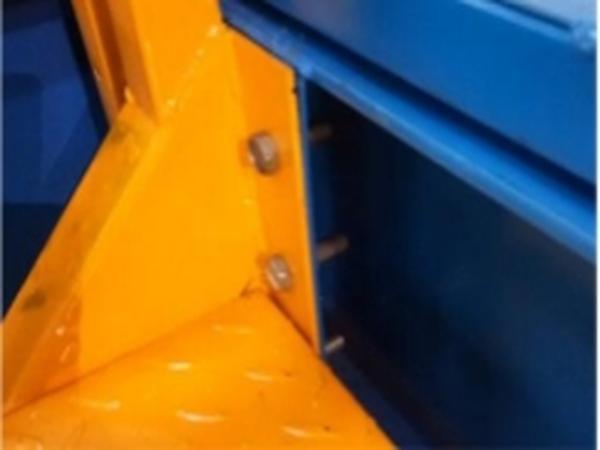
- Low-temperature storage racks: Have higher requirements for load-bearing capacity and stability. Because goods in cold storage are usually heavier, the racks need to withstand greater loads, and their structural design will be more robust to prevent rack collapse and damage to goods. Special connection methods or reinforcing components may also be used to enhance overall stability.
- Ordinary storage racks: Are mainly designed according to conventional storage needs, and their load-bearing capacity may be slightly lower than that of low-temperature storage racks, but they can still meet the storage requirements of general goods.
Anti-vibration and Anti-slip Design
- Low-temperature storage racks: Due to the high humidity in cold chain logistics environments, the rack surface is easily affected by moisture and frost. They usually have anti-slip designs, such as anti-slip pads or anti-slip coatings, to prevent goods from slipping and personnel from falling.
- Ordinary storage racks: Generally do not require special anti-slip design, unless in special industries or with special storage needs, then anti-slip measures are considered.
Temperature and Humidity Adaptability
- Low-temperature storage racks: Need to adapt to low-temperature and humidity environments. The materials have good low-temperature resistance, maintaining stability and strength under low-temperature conditions without damage due to temperature changes. Some racks may also have good air permeability and ventilation to maintain the freshness and quality of goods and prevent mold growth.
- Ordinary storage racks: Are suitable for normal temperature environments. In low-temperature environments, problems such as material shrinkage and deformation may occur, affecting the service life and safety of the racks.
Storage Method Flexibility
- Low-temperature storage racks: Common types include shuttle racks, double-deep racks, and narrow-aisle racks. These rack types can be flexibly adjusted according to different goods sizes and storage needs to improve space utilization and storage efficiency.
- Ordinary storage racks: Storage methods are relatively conventional, mainly including heavy-duty racks, medium-duty racks, and light-duty racks. Their structure and layout are relatively fixed, and flexibility is slightly lower.
Cost
- Low-temperature storage racks: Due to the use of special materials and designs, the manufacturing cost is relatively high, and the later maintenance cost may also be higher than that of ordinary storage racks.
- Ordinary storage racks: The materials and manufacturing processes are relatively simple, and the cost is lower, suitable for general storage needs.
Application Scenarios
- Low-temperature storage racks: Mainly used in cold storage and refrigerated warehouses in low-temperature environments to store food, medicines, flowers, and other items that need to be preserved at low temperatures.
- Ordinary storage racks: Widely used in various normal-temperature warehouses to store various types of goods, such as industrial parts, daily necessities, and office supplies.
Hot Products
Related Articles
Get a free quote
We welcome any inquiry you may have. Tell us about your project to get a free quote.
National Service Hotline
Contact Email
Foshan City, Nanhai District, Shishan Town, Guanyao Ligang Zixia Industrial Zone
Scan to view the website